Two-way radios play a vital role in business communication, event coordination, industrial operations, and outdoor activities. Whether used in offices, retail environments, large events, factories, or demanding professional scenarios, reliable communication is essential. Like any electronic device, a two-way radio requires proper maintenance to ensure stable performance and a long service life.
In this guide, we’ll share practical two-way radio maintenance tips to help businesses and teams improve reliability, extend battery life, and avoid common issues during daily use.
Why Two-Way Radio Maintenance Matters
Regular maintenance is often overlooked, yet it directly affects communication quality and device lifespan. Poor maintenance can lead to weak signals, distorted audio, short battery life, or unexpected device failure.
For businesses, communication interruptions may reduce efficiency or cause coordination problems. In safety-critical environments, unreliable radios can increase operational risks. Proper care helps ensure your two-way radios are always ready when needed and reduces long-term replacement costs.
Daily Care Tips for Commercial Two-Way Radios
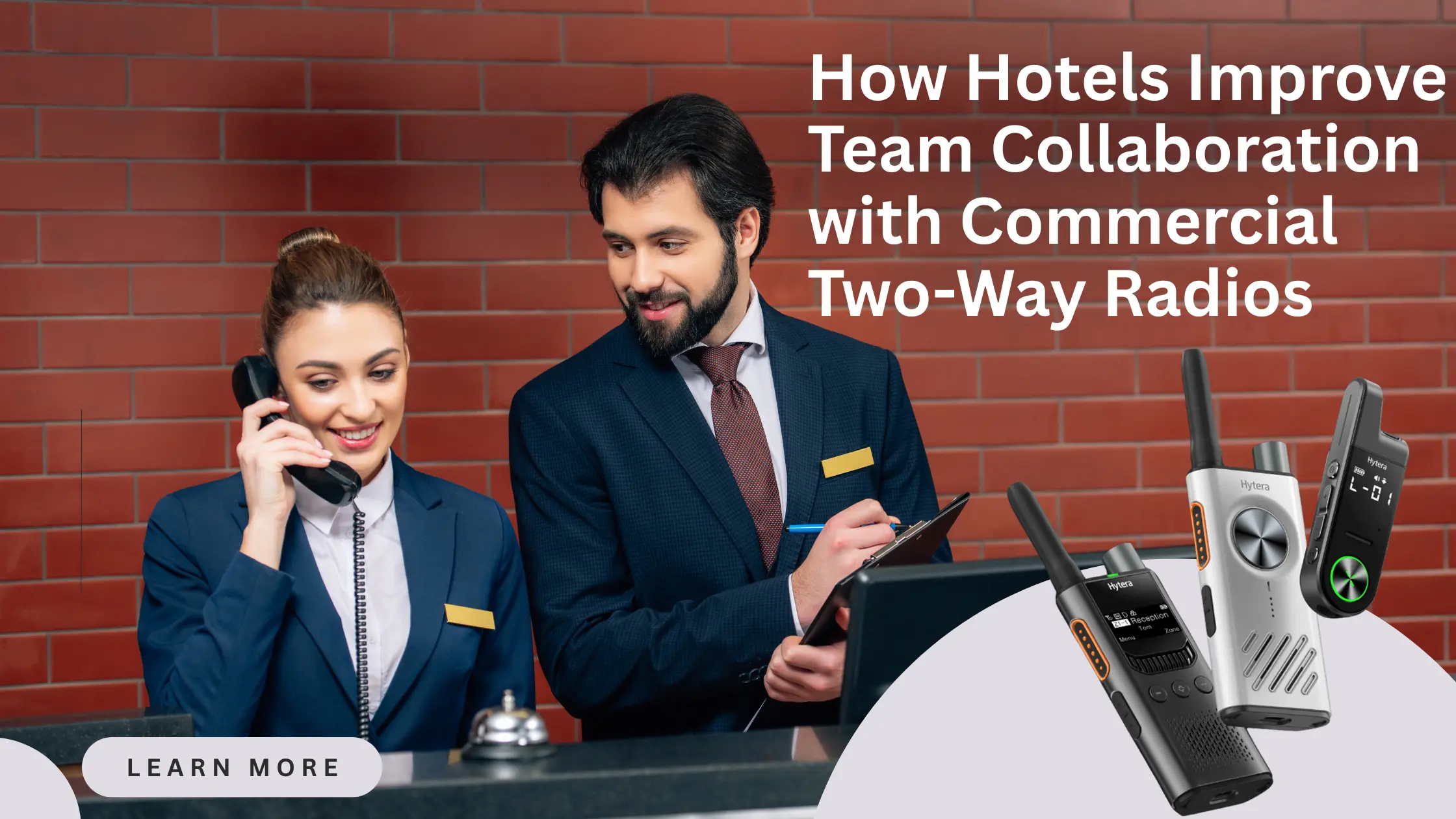
Most day-to-day business environments—such as offices, hotels, retail stores, and event venues—use commercial two-way radios designed for ease of use and efficiency. Even in lighter-duty scenarios, daily care is essential.
Battery Management
- Use only manufacturer-approved chargers to protect battery health.
- Avoid overcharging or fully draining batteries whenever possible.
- Keep spare batteries available during long shifts or events.
Cleaning and Storage
- Wipe radios regularly with a soft, dry cloth.
- Avoid harsh chemicals, alcohol, or abrasive materials.
- Store radios in a cool, dry place away from direct sunlight and moisture.
Proper Handling
- Avoid dropping or throwing radios, even if they appear rugged.
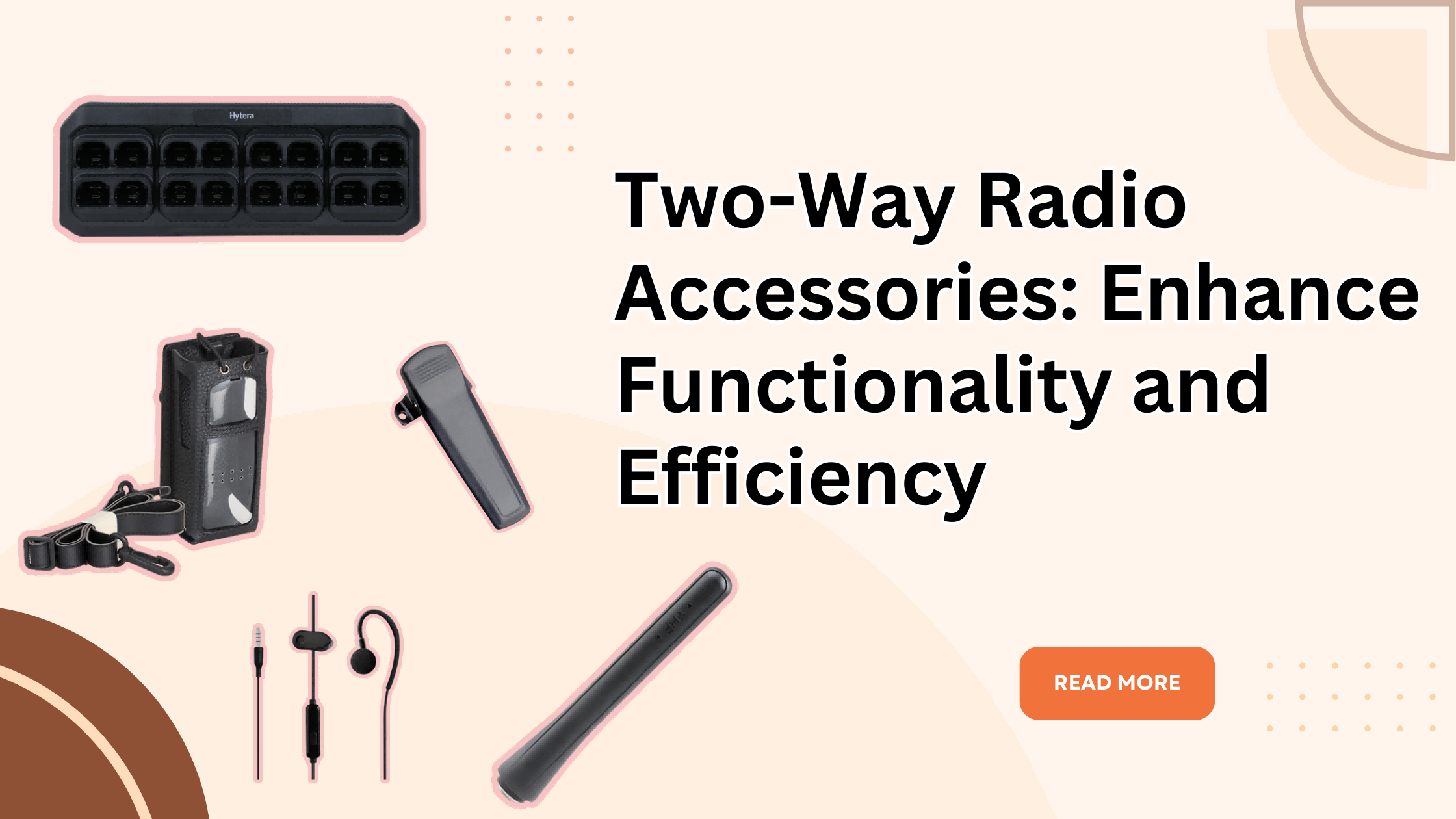
- Use belt clips or protective cases to reduce accidental damage.
Preventive Maintenance and Regular Checks
- Antenna and Controls: Ensure antennas are securely attached and free from damage.
- Speaker and Microphone: Check for blocked openings that may affect audio clarity.
- Firmware and Software: Keep devices updated when updates are available.
- Communication Testing: Test range and audio quality regularly.
These steps apply to both commercial radios and professional two-way radios used in more demanding environments.
Common Two-Way Radio Problems and How to Avoid Them
Signal Interference
Signal interference often occurs near large metal structures or strong electrical equipment. Keeping antennas in good condition and choosing appropriate operating locations can reduce interference.
Short Battery Life
Battery performance naturally declines over time. Proper charging habits and timely battery replacement help maintain consistent operation.
User-Related Errors
Incorrect channel selection or improper volume settings can affect communication quality. Basic user training and clear operating guidelines can significantly reduce these issues.
Commercial vs. Professional Two-Way Radios
Not all two-way radios are designed for the same purpose.
- Commercial Two-Way Radios: Ideal for offices, retail, hospitality, and events. They are lightweight, easy to use, and suitable for everyday business communication.
- Professional Two-Way Radios: Designed for high-intensity environments such as factories, construction sites, and emergency operations, offering enhanced durability, louder audio, and longer battery endurance.
Using professional radios in everyday commercial scenarios is often unnecessary. Choosing the right type based on actual use cases helps balance performance and cost.
Rigorous Testing Behind Every Hytera Radio
Before reaching customers, all Hytera two-way radios undergo multiple rounds of strict testing, regardless of whether they are designed for commercial or professional use. These tests typically include drop resistance, dust and water protection, audio quality verification, and battery endurance evaluation.
Combined with proper maintenance, this rigorous testing ensures stable and reliable communication across different working environments.
Conclusion
Maintaining your two-way radios does not require complex procedures, but consistency is key. Daily care, proper battery management, and regular inspections can significantly extend device lifespan and improve communication reliability.
Whether used for everyday business coordination or demanding professional operations, proper maintenance—together with Hytera’s strict quality standards—ensures dependable communication when it matters most.
FAQ: Two-Way Radio Maintenance and Usage
| Question | Answer |
|---|---|
| How often should I charge my two-way radio? | Charge it after each shift or when the battery is low. Avoid overcharging and fully draining the battery. |
| Can I use any charger for my radio? | No. Always use the manufacturer-recommended charger to prevent battery and device damage. |
| How do I clean my two-way radio safely? | Use a soft, dry cloth. Avoid liquids, chemicals, or abrasive materials. |
| How can I reduce signal interference? | Ensure the antenna is properly attached and avoid strong electrical sources or large metal structures. |
| Do all two-way radios require regular maintenance? | Yes. Both commercial and professional radios benefit from regular maintenance. |
| Are professional radios necessary for everyday business use? | No. Commercial radios are sufficient for most offices, retail, and event scenarios. |